
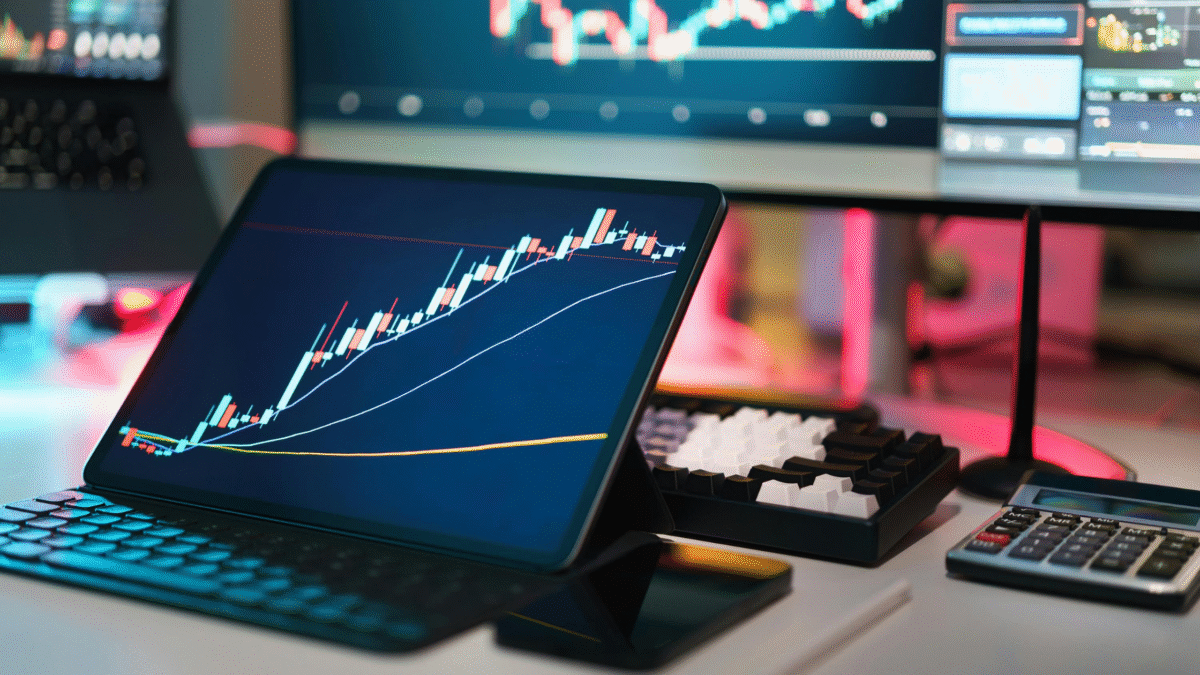
Crypto’s relentless 24/7 nature is forcing traders to rethink their game, shifting from knee-jerk reactions to strategy trading that runs on rules, not reflexes. In a recent chat with BeInCrypto, Phemex CEO Federico Variola laid it bare: humans burn out chasing every tick in markets that never sleep, so smart players are leaning on bots and structured systems to execute without the emotional baggage. This isn’t about ditching your market view; it’s about making sure execution doesn’t crumble when fatigue hits.
Variola’s take cuts through the hype—even seasoned traders falter not from bad calls, but from inconsistent follow-through amid endless volatility. As crypto markets swing wildly, tools like grid bots and DCA strategies provide the backbone for sustainable participation. The result? Traders who last longer without the constant screen stare.
But is this evolution or just a band-aid for human frailty? Variola argues it’s structural, baked into 24/7 trading’s unforgiving rhythm, and platforms ignoring it leave users to flounder.
The Harsh Reality of 24/7 Markets
Non-stop markets expose the glaring mismatch between human limits and crypto’s grind. Traders kid themselves thinking more screen time equals better results, but fatigue and emotions inevitably sabotage them. Variola points out there’s no daily reset like in stocks—no close to recharge—so manual trading devolves into reactive chaos over time.
This structural flaw hits everyone: newbies panic-sell, pros overtrade from exhaustion. The fix isn’t superhuman discipline; it’s decoupling judgment from execution via predefined rules. Strategy trading lets you set the playbook once and let it run, sidestepping the mental toll of perpetual vigilance.
Observing user patterns at Phemex revealed this isn’t skill-based—it’s systemic. Traders know their moves but falter on consistency under pressure. Platforms must respond with tools that bridge intention and action, fostering repeatability over raw effort.
Why Humans Fail in Endless Markets
Humans crave patterns and closure, but crypto denies both. Without breaks, cognitive biases amplify: fear prompts early exits, greed delays stops. Variola notes even experienced traders exhibit burnout patterns, tweaking positions impulsively instead of sticking to plans.
Over weeks, this erodes edge. Data from exchanges shows volume spikes in late hours correlate with sloppy trades, as distraction mounts. Strategy trading counters by automating the grind, preserving mental capital for high-level decisions like refining rules.
Consider ranging markets, common in crypto’s chop. Manual traders chase false breakouts; bots methodically buy low, sell high within grids. Phemex users report steadier equity curves post-adoption, proving structure trumps speed.
Critically, this demands upfront work—defining parameters isn’t optional. Poorly set bots amplify losses, underscoring that strategy trading rewards preparation, not procrastination.
From Effort to Process
Traders evolve by prioritizing process over prediction. Variola stresses focusing on repeatability frees bandwidth from noise. In practice, this means logging rules rigorously, backtesting before live deployment.
Platforms aid with one-click setups and AI-suggested params, lowering barriers without dumbing down. Yet, the wit is in the irony: bots don’t predict, they persist, turning volatility into opportunity via mechanical discipline.
As K-shaped recoveries widen gaps between haves and have-nots, structured traders pull ahead, their systems compounding edges quietly.
Misconceptions in Prediction vs Execution
Traders conflate market views with viable plans, assuming a good call handles the rest. Reality bites when adversity hits: plans morph into revenge trades. Variola clarifies strategy trading defines post-entry behavior, embedding resilience absent in manual mode.
Bots exemplify this—grid variants thrive directionless, DCA averages methodically, Martingale scales boldly per rules. No emotional overrides; just code executing thesis faithfully. This clarity aids evaluation: tweak the system, not self-flagellate over slips.
In fast markets, this gap yawns widest. While others FOMO, structured players harvest ranges, building positions sans panic.
The Prediction Trap Exposed
Prediction obsession breeds overconfidence. Traders boast 60% accuracy but ignore execution drag halving net gains. Variola’s insight: views are cheap; strategies costly to implement manually.
Market reversals test this—manual stops get walked, positions avenged. Bots enforce discipline: grid sells at predefined highs regardless of ‘one more tick’ temptation. Phemex data shows bot users exhibit 20-30% lower drawdowns in volatile phases.
Tying to current trends, with CPI swings rippling through, rigid execution preserves capital amid macro noise.
Bots as Execution Engines
Bots aren’t set-it-forget-it; they’re dynamic frameworks. Customize grids for bias, layer DCA for entries. Ease matters—Phemex’s interfaces reduce setup to minutes, with guides demystifying logic.
Analytically, this scales: pros layer bots across pairs, mirroring funds’ algos. Rookies gain pro-level consistency early, challenging the ‘pay dues manually’ myth.
Failures stem from misuse—overleveraging Martingale in trends. Success demands market fit, like grids for consolidation seen in recent sideways action.
Evolution Through Structured Tools
Tools like bots and copy trading scaffold trader growth, starting simple. Newbies mimic pros via copy, absorbing discipline osmosis-style. Intermediates graduate to grids, capturing range-bound profits sans tick-watching.
Variola positions these as entry-level, flipping ‘earn your bots’ dogma. Early structure prevents toxic habits like overtrading, fostering calm consistency. Phemex’s education ecosystem—guides, AI params—ensures accessibility.
Across cycles, this sustains engagement, turning churn machines into marathoners.
Beginner Boost from Copy Trading
Copy trading demystifies execution: observe masters navigate without solo risk. Phemex lists top performers, letting users allocate proportionally. Metrics track drawdowns, win rates transparently.
This builds intuition—see how pros size positions, time exits. Transitioning to self-bots feels natural, armed with real examples.
In 2026’s whale-driven swings, copying aggregates signals effectively.
Grid and DCA Mastery
Grid bots excel in ranges: define bounds, bot arbitrages oscillations. Spot or futures, neutral or directional—flexible for conditions. DCA automates averaging, mitigating timing errors.
Advanced layering—grid atop DCA—compounds. Phemex’s one-click deploys these swiftly, with backtests validating.
Per Variola, education cements use: articles dissect scenarios, like grids shining in recent consolidations.
Bots as Sustainable Entry Point
Challenging gatekeeping, Variola argues bots suit novices, averting chaos-scarred starts. Manual suffering ingrains impulsivity; early rules instill poise. Phemex designs for progression: copy to basic bots to custom rigs.
This democratizes edge, making strategy trading inclusive. Users grow confident, layering complexity organically.
Campaigns like Trading Bot Carnival incentivize trial, revealing behaviors like over-engagement needing structure.
Challenging Trader Myths
Myth one: intuition trumps systems. Reality: pros systematize; amateurs improvise. Early bots calibrate instincts against data.
Overtrading plagues all—bots cap frequency, enforcing patience. In futures’ high churn, grids capture volatility systematically.
Ties to futures dynamics, where structure retains participants.
Campaign Insights on Pain Points
Phemex’s Carnival targets fatigue: newbies overwhelmed, vets tweaking endlessly. Bots slow the frenzy, rule-based relief.
Rewards spur adoption, but focus is empowerment—sustain trading amid 24/7 pushback.
What’s Next
As crypto matures, strategy trading will dominate, with bots evolving via AI for adaptive rules. Exchanges prioritizing user longevity over volume-chasing will thrive, per Variola’s user-first ethos. Traders embracing this shift sidestep burnout, positioning for multi-cycle wins.
Yet skepticism lingers: bots falter in black swans without overrides. Hybrid approaches—semi-automated with human veto—may bridge. Ultimately, structure beats reaction in endless markets, rewarding the prepared.
In 2026’s volatile landscape, from jobs data jitters to ETF flows, systematic edges compound relentlessly.

